Small Celebrations, Big Connections
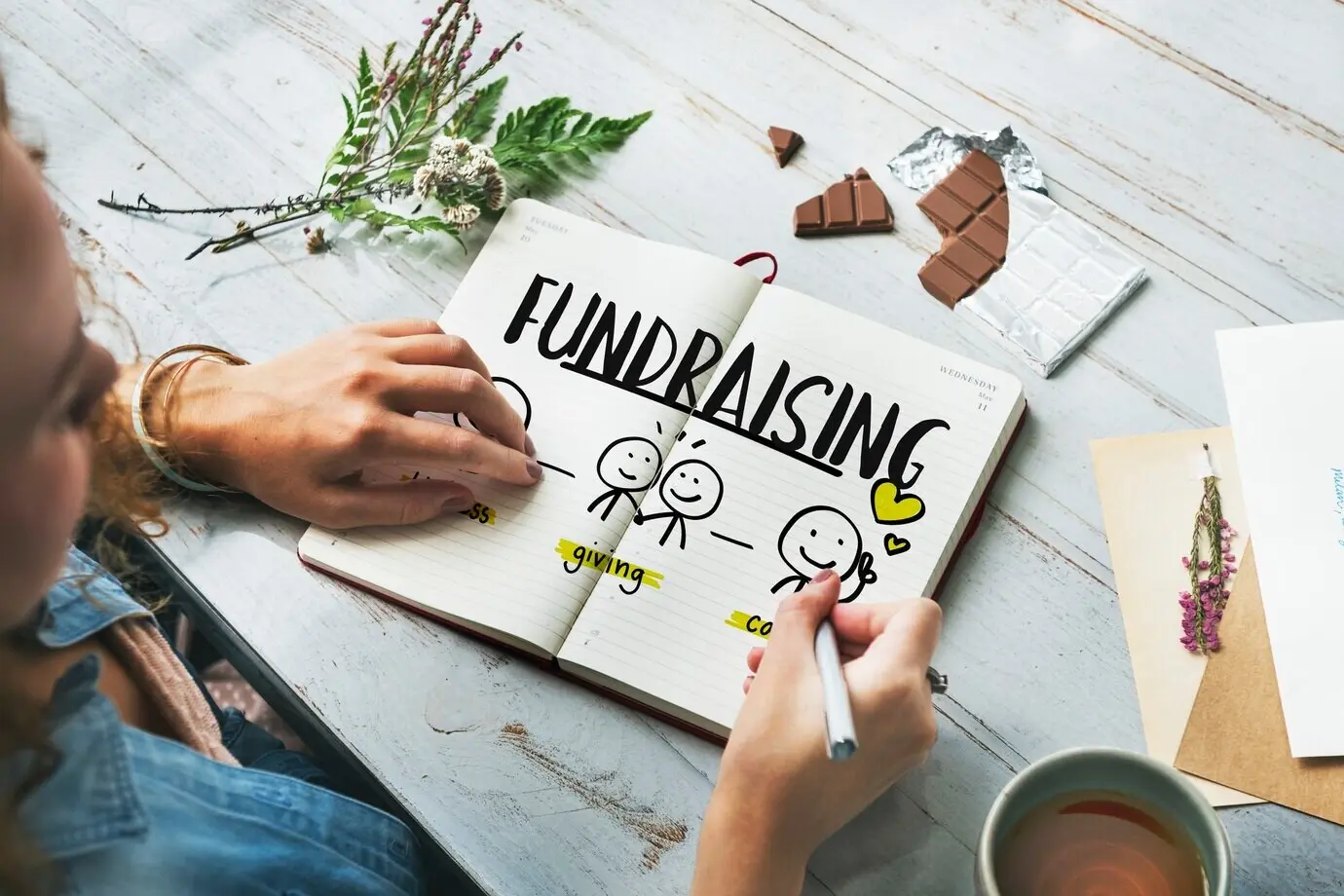
Today we explore Neighborhood Micro-Festivals: intimate, low-cost celebrations hosted on porches, stoops, alleys, and block corners that transform ordinary streets into welcoming stages. Discover practical steps, heartfelt stories, and simple tools for gathering neighbors, building trust, and sparking lasting local pride. Join in, share your own ideas, and subscribe for more street-level inspiration that helps every block feel kinder, safer, and more alive.

Why Tiny Gatherings Make Cities Feel Human

Small, block-level celebrations create trust faster than large, anonymous events because people meet at eye level, exchange names, and recognize familiar faces during the next walk to the corner store. Neighborhood micro-festivals turn short distances into meaningful journeys, lowering social barriers, encouraging stewardship, and nurturing the resilient local businesses that quietly hold communities together through everyday kindness, consistency, and presence.

From a Wave to a Conversation

When a busker borrows an extension cord from a corner shop and a child hands out hand-drawn flyers, neighbors witness generosity in real time. Tiny gestures compound, turning quick waves into conversations, and conversations into dependable support when someone needs a spare ladder, a recipe, or simply company after a long week, strengthening the invisible threads that make a street feel like home.

Presence That Deters Problems

A lively stoop reading or chalk-art hour invites eyes onto the street, creating natural guardianship through friendly presence. Neighborhood micro-festivals encourage gentle routines—chairs outside, music at conversational volume, and clear sightlines—that subtly discourage mischief. People linger, notice each other, and respond faster to needs, building a sense of shared responsibility that big events rarely spark with the same immediacy or warmth.

Local Pride You Can Taste and Hear

A grandmother’s empanadas beside a teen’s ukulele cover teaches more about a block’s identity than any billboard. Neighborhood micro-festivals let flavors, languages, and sounds mingle without a script. That honest variety builds pride, as neighbors discover their street’s culture isn’t imported—it’s simmering right here, waiting for a plug socket, a folding table, and a welcoming smile to rise and shine.

Planning Without Burnout

Keep organization light by focusing on what actually delights your block. Neighborhood micro-festivals thrive when expectations are realistic, roles are shared, and duration is short. Use a simple checklist, communicate early, and celebrate small wins. A consistent, friendly cadence beats massive, exhausting undertakings because it leaves energy for the next gathering and invites new faces to help without fear of overwhelm.

Programming That Fits a Sidewalk

Design activities that respect tight spaces, varying ages, and passing pedestrians. Neighborhood micro-festivals shine when programming feels spontaneous yet safe: pocket performances, hands-on tables, and low-amplification music. Variety keeps people circulating, discovering moments instead of crowding one point. Think in micro-zones, where each corner offers delight and nothing requires elaborate staging, expensive gear, or complicated staff beyond friendly neighbors with good intentions.

Spaces That Welcome Everyone

Choose corners with shade, seating options, and visible entrances so newcomers feel invited from a distance. Neighborhood micro-festivals should plan for strollers, wheelchairs, and sensory needs, offering calm pockets away from speakers. Thoughtful layout transforms a plain curb into a gentle gateway where people can pause, observe, and decide how to participate without pressure, confusion, or awkwardness at any moment.

Spreading the Word With Heart

Invite people through methods that feel neighborly, not promotional. Neighborhood micro-festivals respond best to personal notes, door hangers, chat groups, and stoop conversations. Share what to expect, how long it lasts, and how to help. A single photo of last month’s laughter can inspire the next round of participation more effectively than any complicated campaign or expensive, impersonal advertisement blasting everywhere.

Doorsteps Before Digital

Knocking politely and leaving handwritten invitations unlocks trust online later. Start with nearby residents, then branch outward. Neighborhood micro-festivals travel by word-of-mouth when people feel personally welcomed, know the timeline, and recognize at least one host. A friendly contact number, a map sketch, and a smile make introductions warmer than any algorithm or glossy flyer ever could.

Chats, Threads, and Porch Boards

Use group texts, neighborhood forums, and a simple cork board by a café to reinforce details. Neighborhood micro-festivals thrive on reminders the day before and an hour prior. Ask for quick RSVPs to estimate seating and snacks. Encourage photo sharing after, highlighting names and thanks, which transforms casual guests into co-creators excited to carry the momentum into future gatherings.

Measuring Joy and Learning Fast

Pulse Checks Instead of Surveys

Ask three questions while tidying: what surprised you, what felt awkward, and what should we repeat? Neighborhood micro-festivals improve rapidly with conversational feedback gathered before attention fades. Capture quotes with permission. Celebrate small fixes, like better signage or earlier start times, and document them in a shared note so improvements survive beyond one organizer’s memory or overflowing inbox.

Map the Ripples

Ask three questions while tidying: what surprised you, what felt awkward, and what should we repeat? Neighborhood micro-festivals improve rapidly with conversational feedback gathered before attention fades. Capture quotes with permission. Celebrate small fixes, like better signage or earlier start times, and document them in a shared note so improvements survive beyond one organizer’s memory or overflowing inbox.

Keep a Tiny Ledger

Ask three questions while tidying: what surprised you, what felt awkward, and what should we repeat? Neighborhood micro-festivals improve rapidly with conversational feedback gathered before attention fades. Capture quotes with permission. Celebrate small fixes, like better signage or earlier start times, and document them in a shared note so improvements survive beyond one organizer’s memory or overflowing inbox.

Keeping Momentum Without Losing Magic

Sustainability means rhythm, not scale. Neighborhood micro-festivals feel freshest when hosts rotate, seasons guide programming, and traditions evolve gently with feedback. Build a lightweight toolkit, a contact tree, and a shared calendar. Celebrate retirements from roles as much as new volunteer sign-ups, so participation remains joyful, accessible, and resilient against burnout or shifting schedules that inevitably arise.

Rotating Hosts, Shared Ownership

Invite pairs to co-host, then pass the torch. Neighborhood micro-festivals flourish when more people hold small pieces—music, snacks, setup, welcome—and no one person carries the weight. A rotation fosters skills, spreads knowledge, and ensures continuity through vacations, life changes, and the unexpected, keeping the gathering rooted in many hands and many hearts across the block.

Micro-Sponsorships With Meaning

Ask a café for tea, a florist for trimmings, and a hardware store for tape or chalk. Neighborhood micro-festivals love in-kind gifts that reflect local character. Public thanks on a poster or photo album deepens relationships, while small cash jars and transparency encourage ongoing contributions without pressure, allowing generosity to grow naturally, sustainably, and proudly at street level.
Nezamiputupari
Privacy Overview

This website uses cookies so that we can provide you with the best user experience possible. Cookie information is stored in your browser and performs functions such as recognising you when you return to our website and helping our team to understand which sections of the website you find most interesting and useful.